
Visit to the Energietuin Assen-Zuid Solar Farm: Where Renewable Energy Meets Nature Conservation
As part of the POLLINATE project, we had the opportunity to visit Energietuin Assen-Zuid in the Province of Drenthe, the Netherlands – a unique example of how renewable energy production can be successfully combined with biodiversity conservation, education, and recreation.
Solar farms play a crucial role in the energy transition and the reduction of greenhouse gas emissions. At the same time, their expansion raises important questions about land use and nature conservation. Innovative concepts such as Energietuin Assen-Zuid demonstrate that solar parks do not have to be merely energy-generating infrastructure. They can also serve as multifunctional spaces that support biodiversity, create habitats for pollinators, and strengthen ecological connectivity across the landscape. This approach enables renewable energy production and nature conservation to become complementary objectives rather than competing interests.
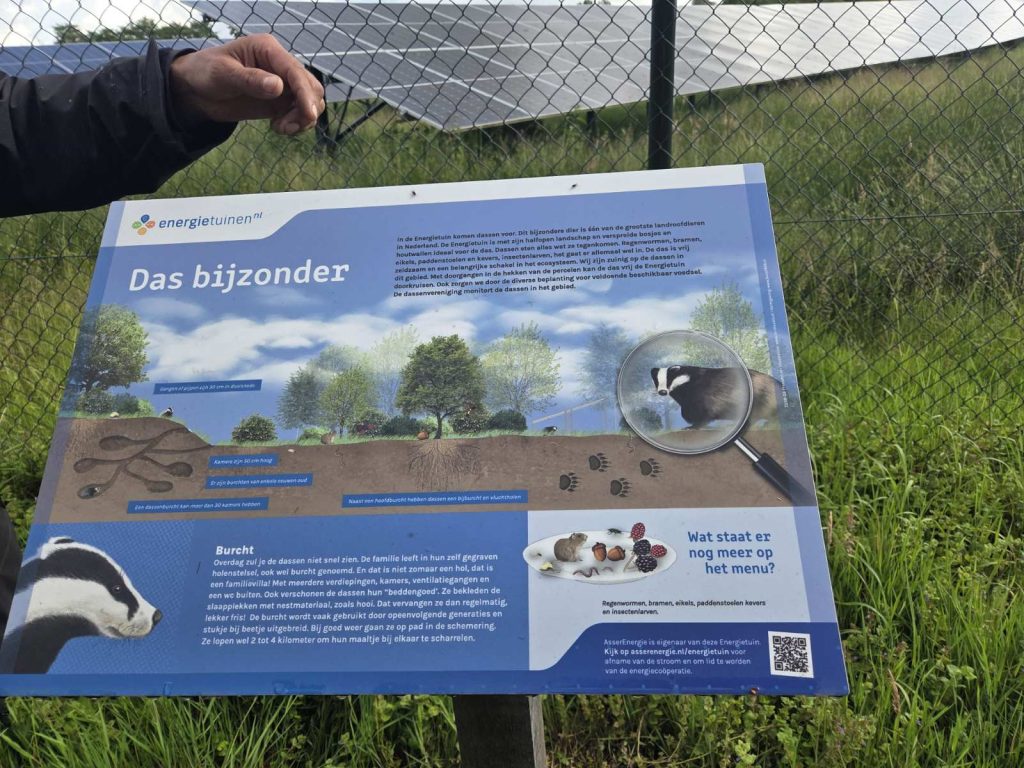
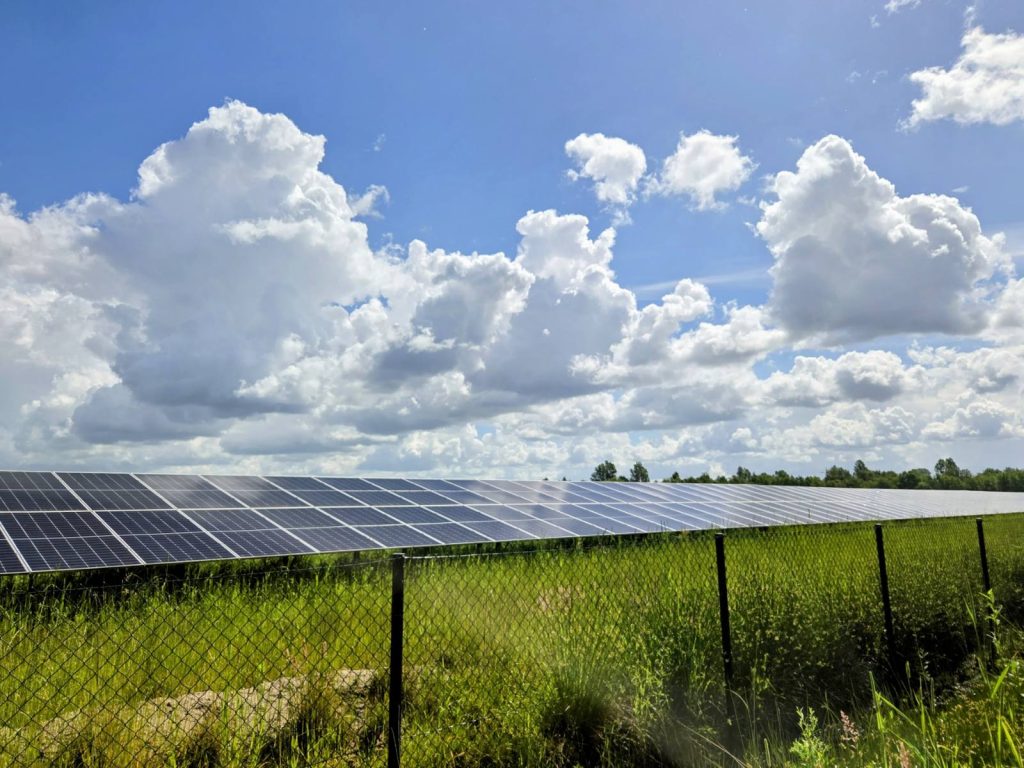
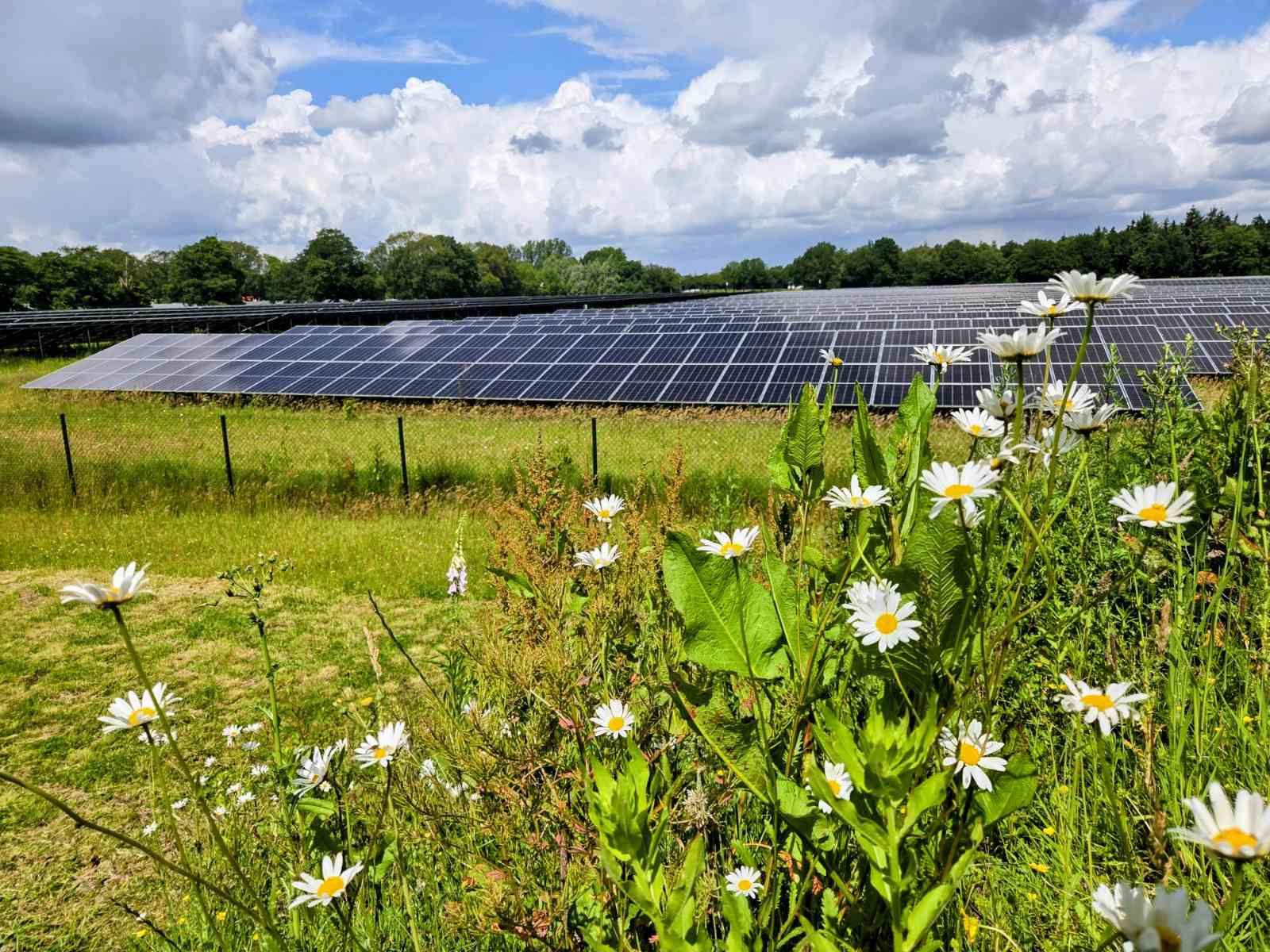
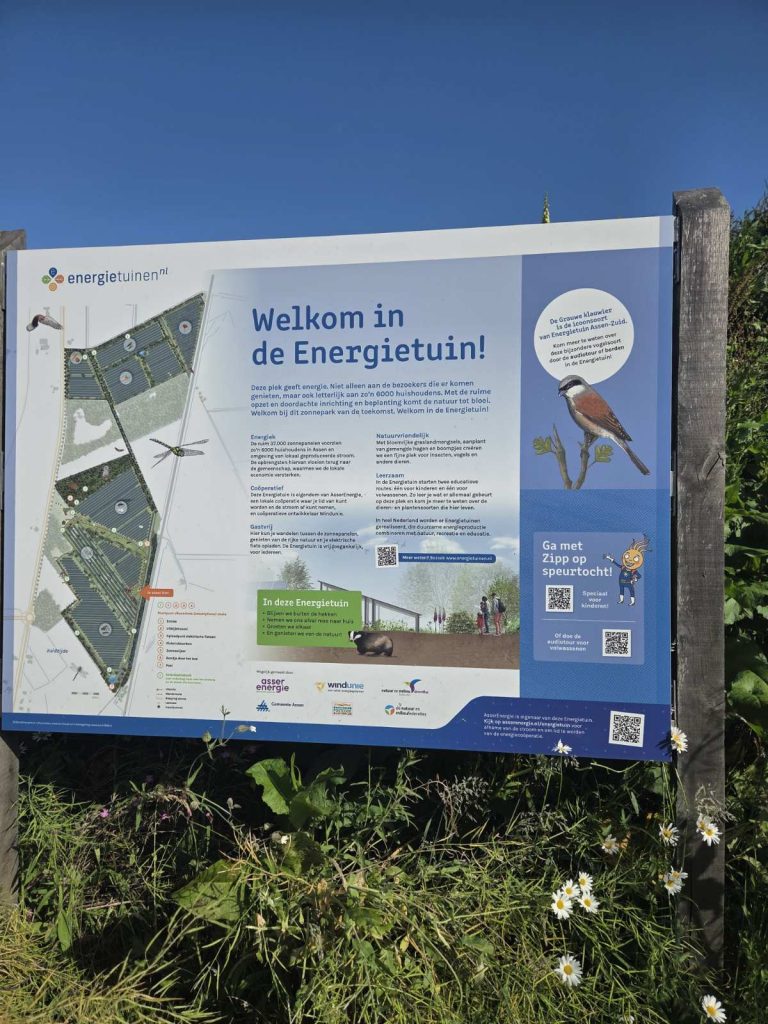
Energietuin Assen-Zuid is far more than a conventional solar power plant. Developed across an area of approximately 50 hectares, it is a multifunctional energy landscape that combines solar energy generation with habitats for plants and wildlife, walking trails, viewpoints, and educational facilities for visitors. The solar installation itself covers around 19 hectares and consists of approximately 37,000 solar panels, generating enough electricity to supply more than 6,000 households.
What makes this site particularly valuable is its approach to integrating nature conservation into the very concept of solar infrastructure development. The area includes diverse ecological zones with native vegetation, pollinator-friendly flowering meadows, and features designed to raise awareness about the importance of biodiversity. As a result, it has become a space that simultaneously contributes to the energy transition and the preservation of natural values.
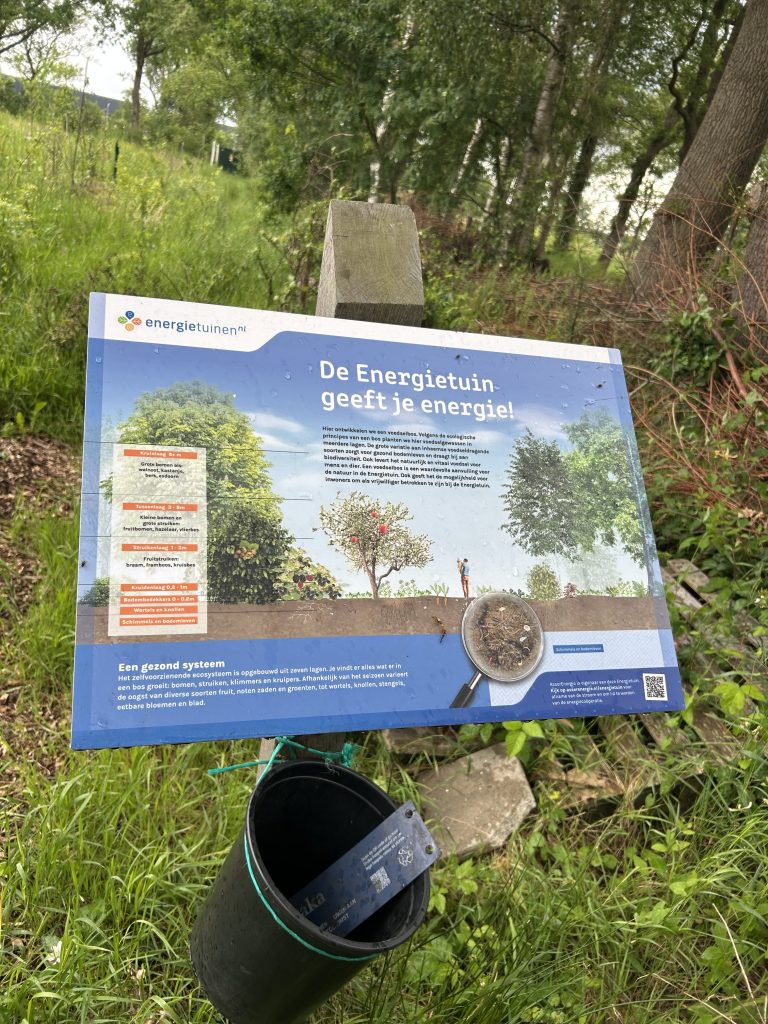
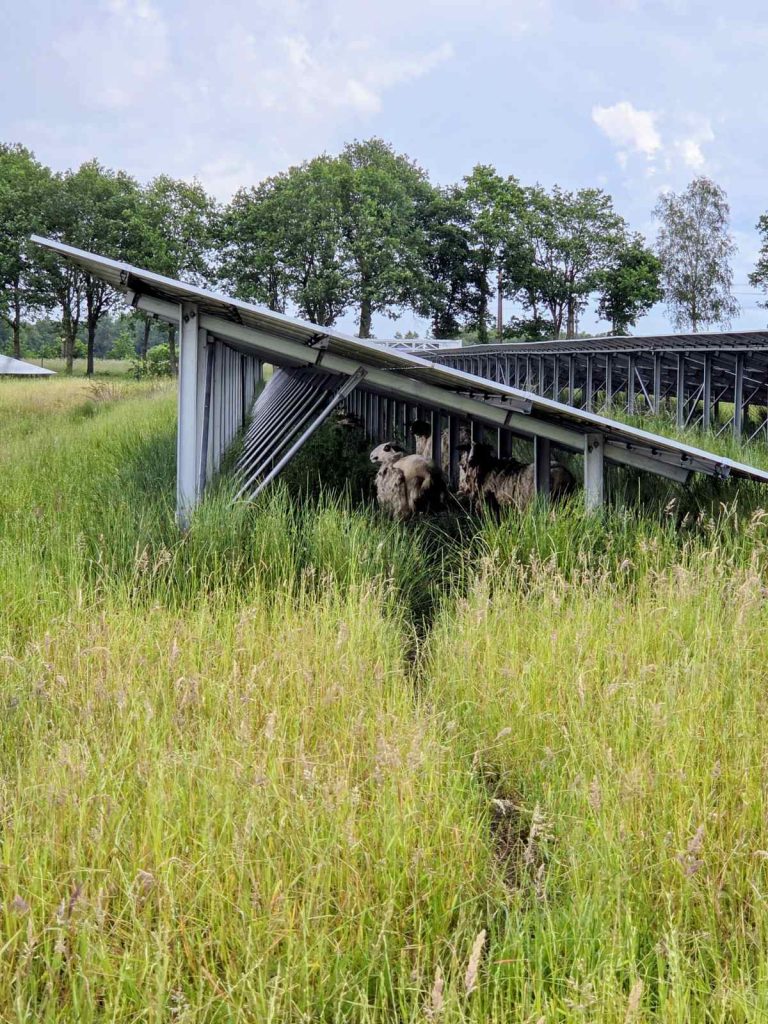
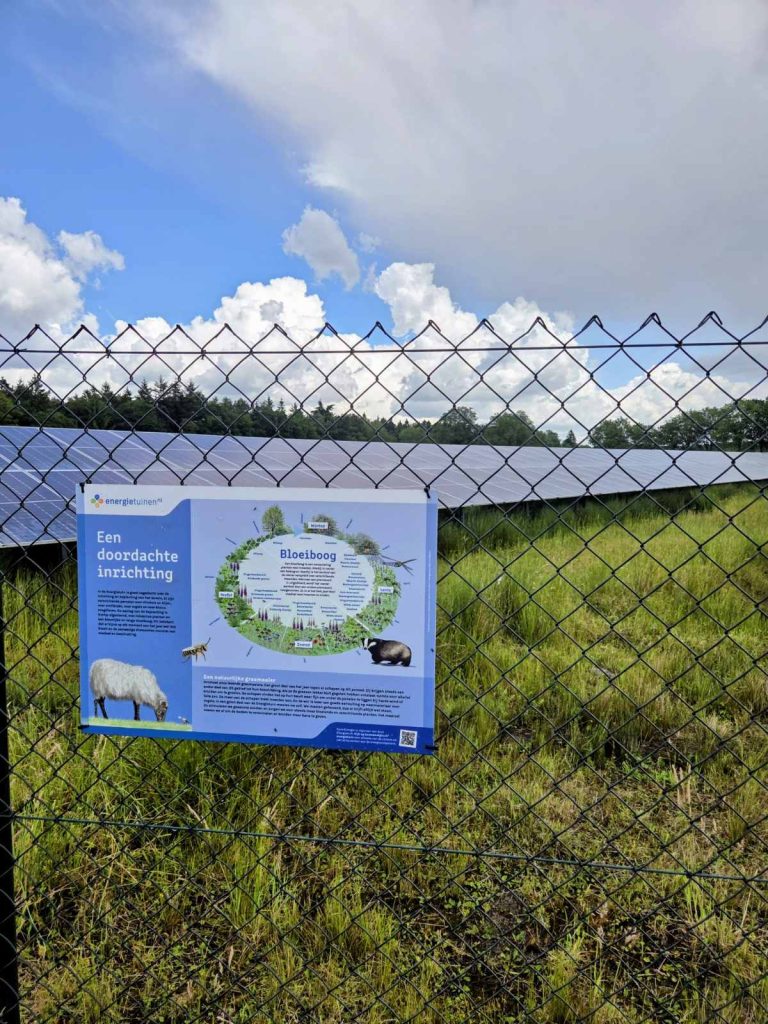
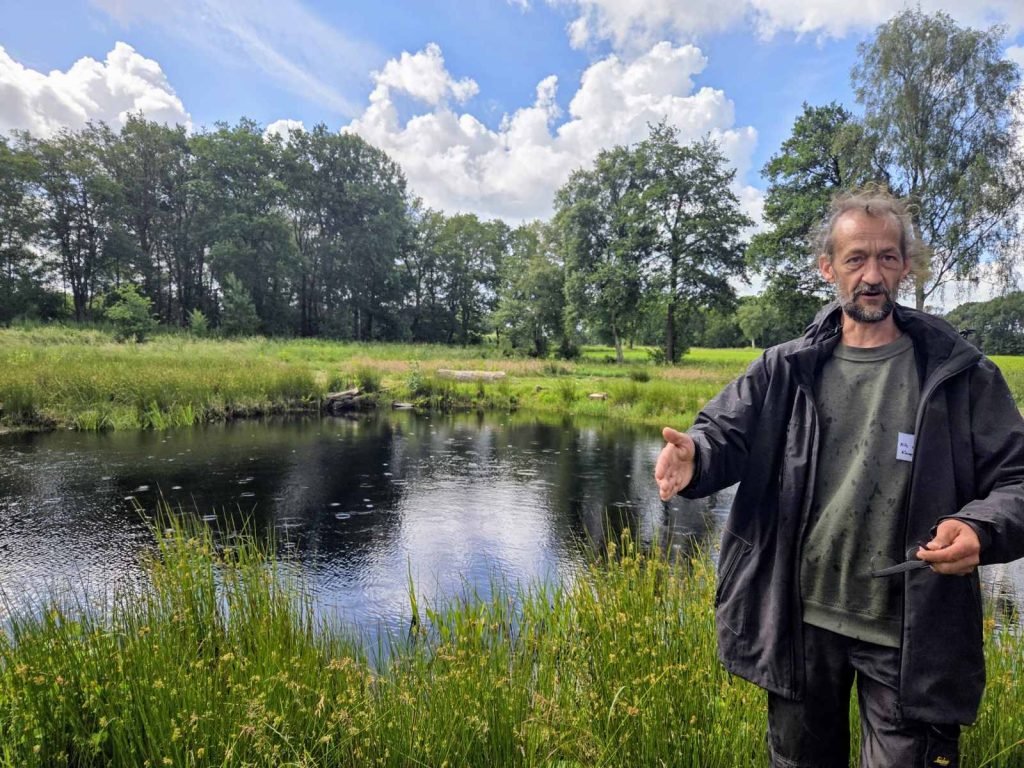
During the visit, we learned about the planning and management of the site, as well as the practices that help create favorable conditions for pollinators and other wildlife. Special attention was given to vegetation management, biodiversity monitoring, and the involvement of local communities in the development and use of the area.
The visit provided valuable insights into the potential for applying similar solutions in other regions, demonstrating that solar farms can fulfil multiple functions – generating clean energy, enhancing habitats for wildlife, and creating added value for local communities.
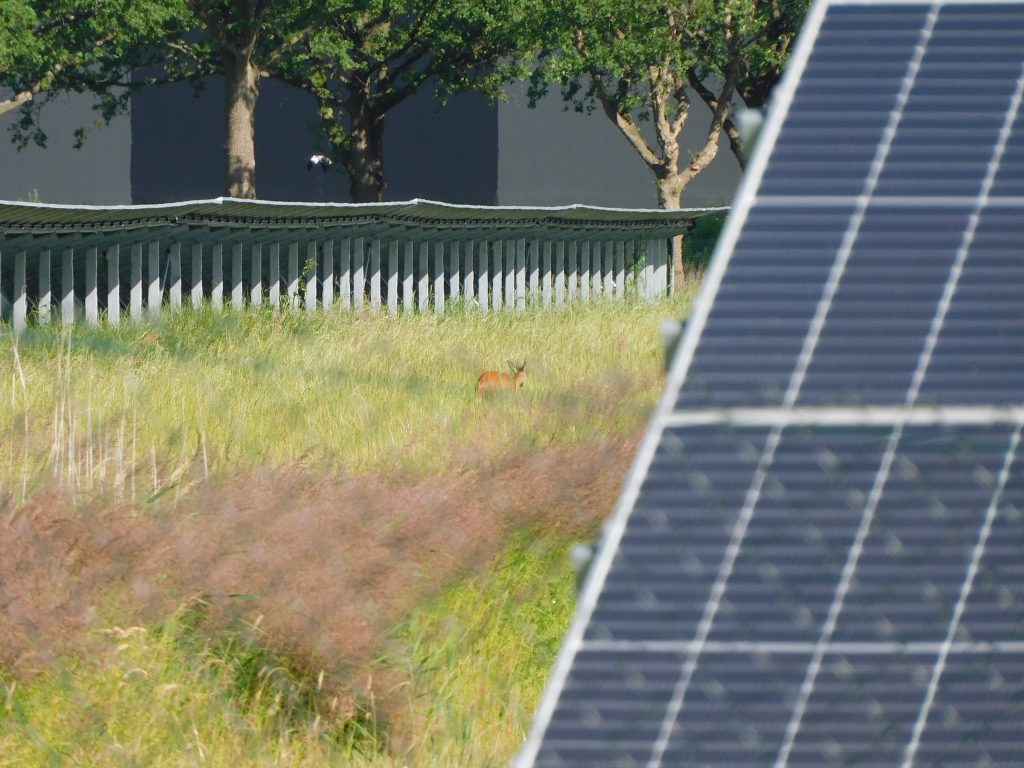
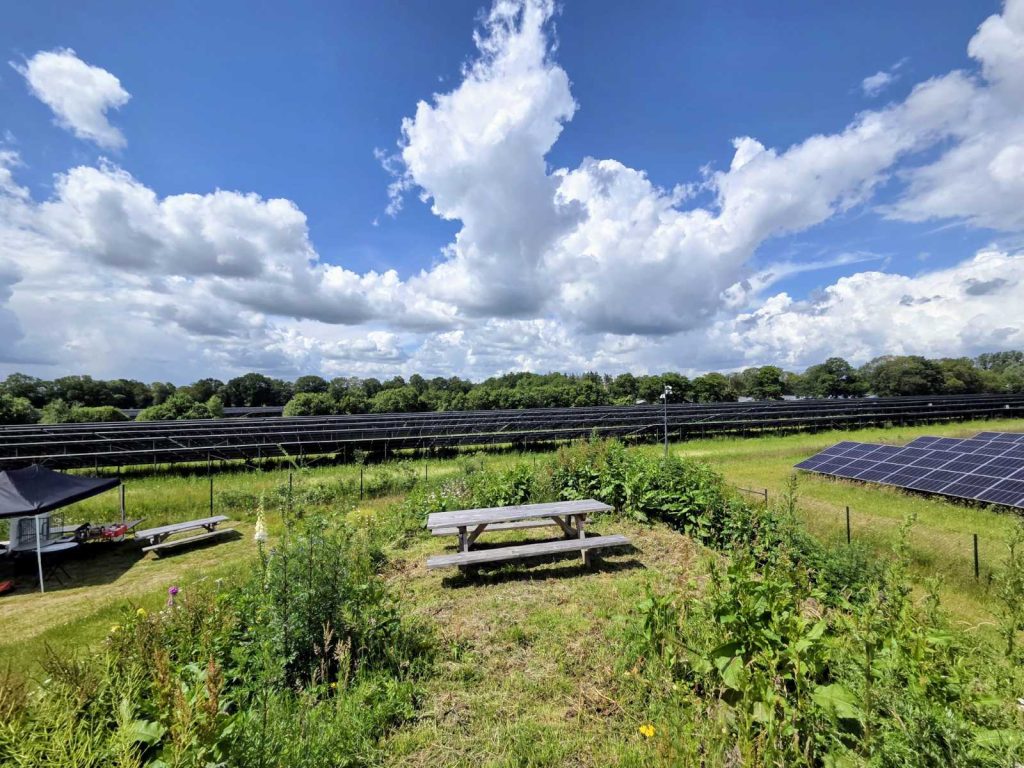
Examples such as Energietuin Assen-Zuid show that the green transition does not have to come at the expense of nature conservation. On the contrary, it can provide an opportunity to create spaces that simultaneously contribute to climate goals, biodiversity protection, and the well-being of local communities.